Each eye and face protective device is designed for a particular hazard. In selecting the protection necessary, consider the type and degree of hazard. There are generally four categories of eye and face protection: safety glasses, goggles, face shields, and welding...
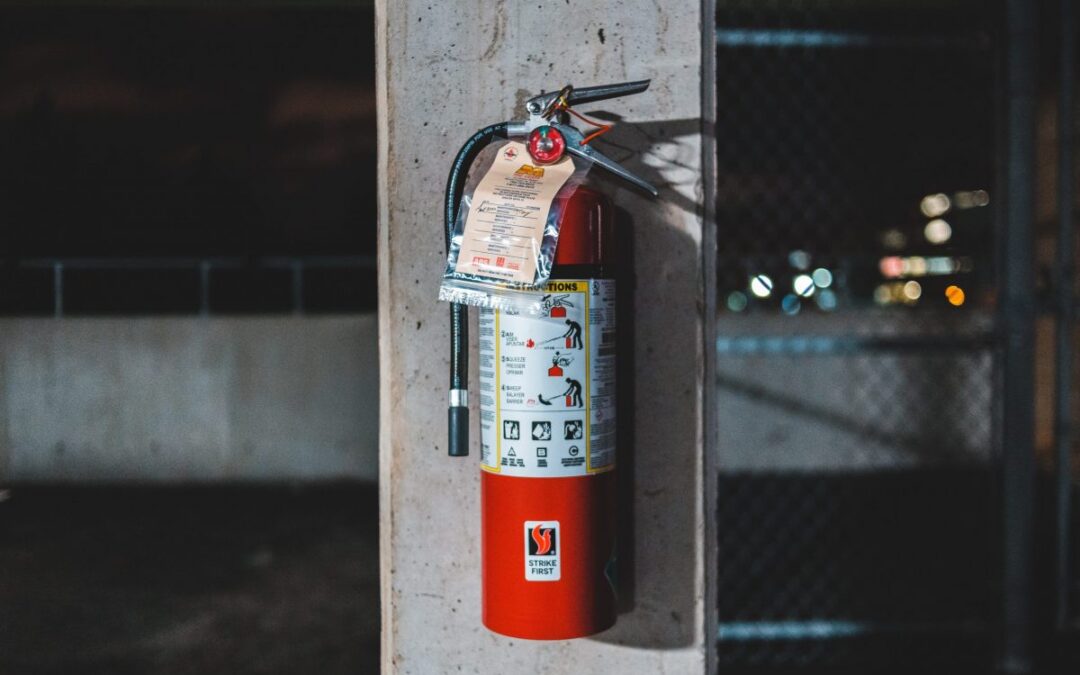
Portable fire extinguishers are often the first line of defense against a fire. Knowing how to use a portable extinguisher and using the right type is critically important not only to putting out the fire, but also preventing personal injury and costly damage to...
There are many occupational exposure limits used around the world. These limits define the airborne concentration an individual may be exposed to over a certain period. Let’s discuss some of the common occupational exposure limits that you may see listed on a SDS....
Labeling is a key component of hazard communication. The labeling of hazardous chemical containers, such as drums, totes, vessels, tanks, and other containers, must be in place at all times during shipping and within your facility. We are going to discuss two types of...
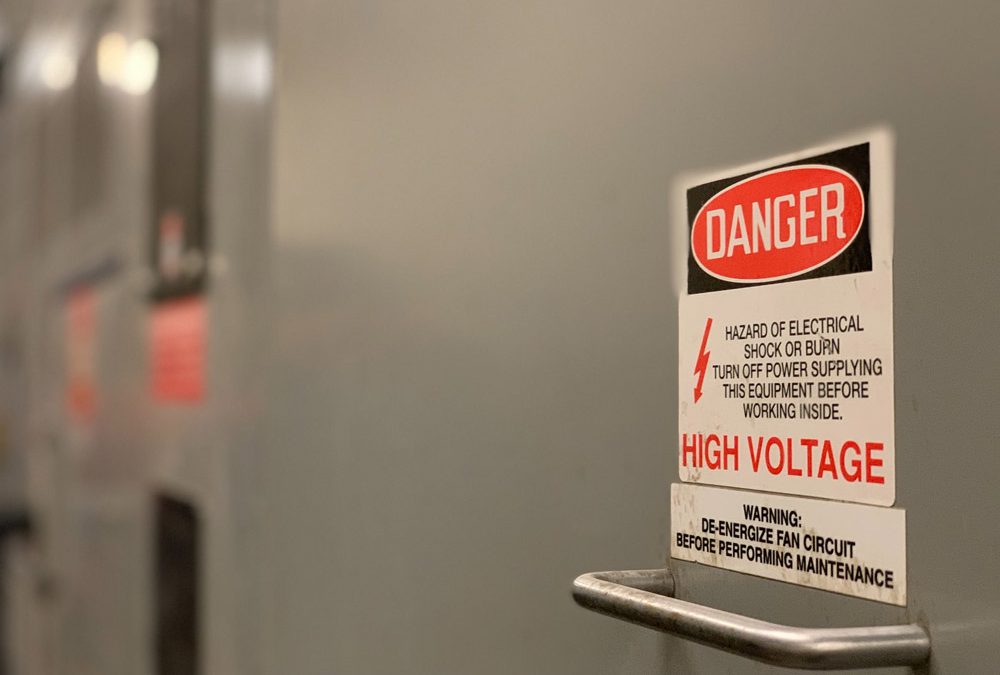
Today, any office or workplace setting operates on electricity. Electrical equipment, from computers to machinery can all be potentially hazardous and can cause shock and burn injuries if improperly used or maintained. Though most general personnel don’t need...