
Stormwater Pollution: Pollutant Categories – Toolbox Talk
May 1, 2024
Sediment and debris carried by stormwater runoff may smother aquatic species, beneficial plants, and their aquatic habitats. Debris can include trash, such as plastic bags, six-pack rings, bottles, and cigarette butts. Very often, erosion of soil and sediment from a site is a major source of pollution that smothers aquatic species. These sediments and debris can also block the flow of water and cause localized flooding.
Nutrients are another possible source of pollutants. One source of these nutrients is the use of fertilizers, which may cause excess algae growth. The algae will eventually die and decompose, stealing precious oxygen from fish and other aquatic animals. In freshwater systems, phosphorus is the main cause of excessive plant and algae growth. Having too many nutrients in stormwater can cause fish to die in many systems.
Organic enrichment, or excess nutrients, may be the result of high organic input which paired with poor oxygenation, can lead to conditions of slow degradation of receiving waters. Food processing facilities, airports with de-icing activities, septic systems, combined sewer systems, and illicit storm sewer connections are sources of oxygen-demanding substances that are also known as organic enrichment. Facilities that have possible organic enrichment may have specific requirements in their permit to monitor for oxygen levels.
The presence of pathogens in surface water inhibits recreational uses, such as swimming and boating, and can cause ear and/or intestinal problems as a result of contact. Common sources of fecal bacteria are illicit drain connections, sanitary sewer overflow, animal waste, or failing septic systems.
Hazardous materials are sources of toxic pollutants and are quite varied. Pesticides, herbicides, corroded metals, wood preservatives, and paints; hydrocarbons, including gasoline, oil, and grease, solvents, and machinery fluids all can have toxic effects on aquatic life and may contaminate drinking water supplies.
INTERESTED IN LEARNING MORE?
Get more information about the Stormwater Pollution Prevention Course.
Featured Toolbox Talks
eSafety Toolbox Talks highlight important information from our courses to keep knowledge fresh in 5 minutes or less. Use these in your morning safety meetings, ongoing training, and more! Schedule, view, and track toolbox talks alongside your other training content to foster employee retention and promote a positive safety culture.


Popular Courses
Engaging Content. Lasting Results.
Our goal is to develop general awareness courses that create an interesting and interactive learning experience. Each course uses images, video, text and audio for full comprehension. All of our courses are designed by professionals with the ultimate goal of helping employees develop the knowledge they need to work safely.

Fall Protection and Personal Fall Arrest Systems

Learn the proper use of personal fall arrest systems in order to safely perform work in elevated areas.
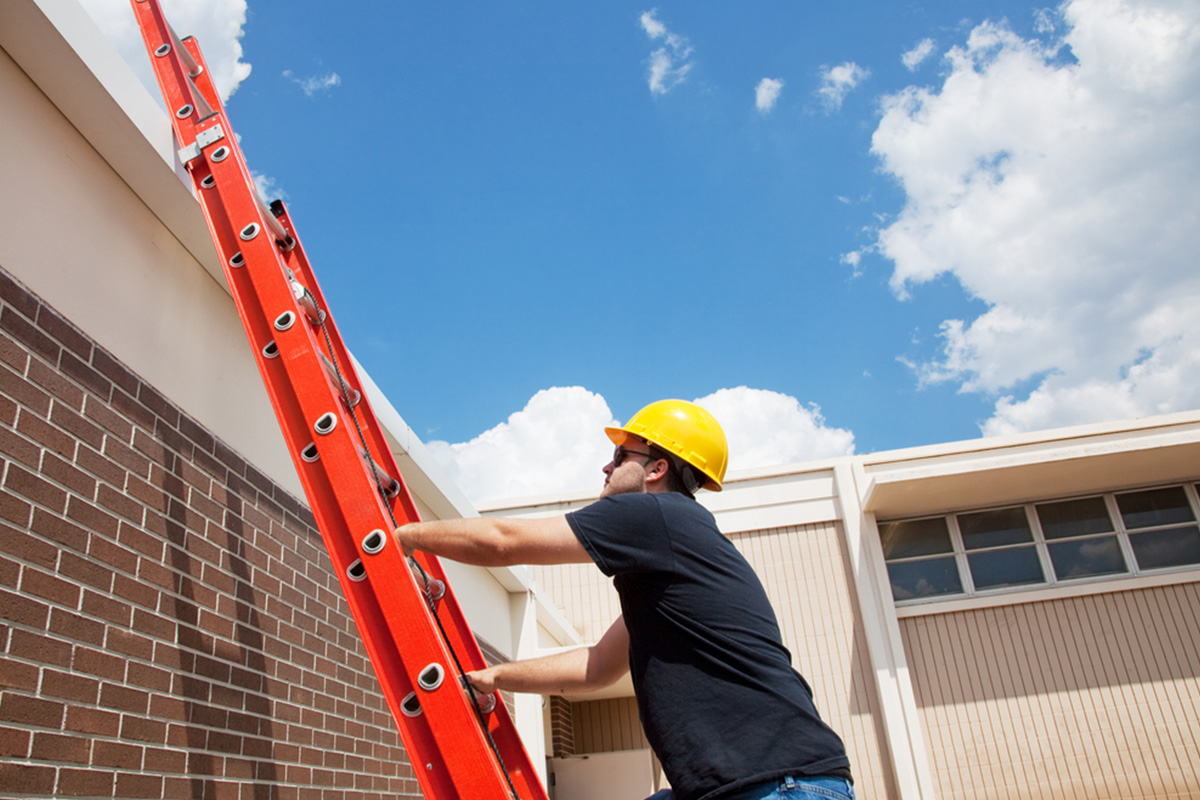
Ladder Safety
Review portable and fixed ladders most commonly used in industry today. Know how to properly select, inspect, and use various ladders.

Occupational Ergonomics
Understand ergonomic risk factors, the types of illnesses and injuries that can occur, how to identify the risk factors present in your workplace.