
PPE: Head Protection Selection – Toolbox Talk
October 1, 2020
Over 70,000 disabling head injuries occur every year in industry. Hard hats were worn by only 16% of these workers who sustained head injuries.
Head protection, in the form of protective hats, must do two things, resist penetration and be shock absorbent. This is accomplished by making the shell of the hat of a material hard enough to resist the blow and utilizing a shock-absorbing lining composed of a headband and crown straps to keep the shell away from the wearer’s skull. This is sometimes called the suspension system. In order to provide maximum protection, there must be at least one inch of clearance between the shell and the skull. If the protective hat is not worn correctly, such as backwards, this clearance is negated and your level of protection is compromised. Protective hats are also used to protect against electrical shock. Their design and materials of construction are created to resist electrical current and act as an electrical insulator. Each type and class of head protection is intended to provide protection against specific hazardous conditions. Your understanding of these conditions will help in selecting the right hat for the particular situation.
Protective hats are classified in two types and three classes. Type 1 hats are for top protection and have a full brim not less than 1¼ inches wide; Type 2 are designed for lateral impact protection and are brimless. The three classes indicate the helmet’s electrical insulation rating. Class G for general hard hats are tested at 2,200 volts. They are the most common class used in industry for protection against impact hazards. Class E for electrical hard hats are tested to withstand 20,000 volts and are considered a utility service hat that are usually used for protection of electrical workers from high voltage as well as impact. Class C for conductive hard hats provide no electrical protection. Class C hard hats are designed for lightweight comfort and impact protection. They are usually made of aluminum and provide no protection from electrical current contact. Class C hard hats are generally used in certain manufacturing or construction occupations where there is no danger from electrical shock. ANSI recently updated the hard hat classifications, so your organization may still have some hard hats onsite with old classes. The previous classifications were A for general hard hats, B for electrical hard hats and the C hard hats stayed the same. You can identify the type and class of a hard hat by looking for the manufacturers’ label inside the shell. This label must have the ANSI Z89.1 designation, meaning it meets the standards of the type and class designated.
INTERESTED IN LEARNING MORE?
Get more information about the Personal Protective Equipment course here.
Featured Toolbox Talks
eSafety Toolbox Talks highlight important information from our courses to keep knowledge fresh in 5 minutes or less. Use these in your morning safety meetings, ongoing training, and more! Schedule, view, and track toolbox talks alongside your other training content to foster employee retention and promote a positive safety culture.

Popular Courses
Engaging Content. Lasting Results.
Our goal is to develop general awareness courses that create an interesting and interactive learning experience. Each course uses images, video, text and audio for full comprehension. All of our courses are designed by professionals with the ultimate goal of helping employees develop the knowledge they need to work safely.
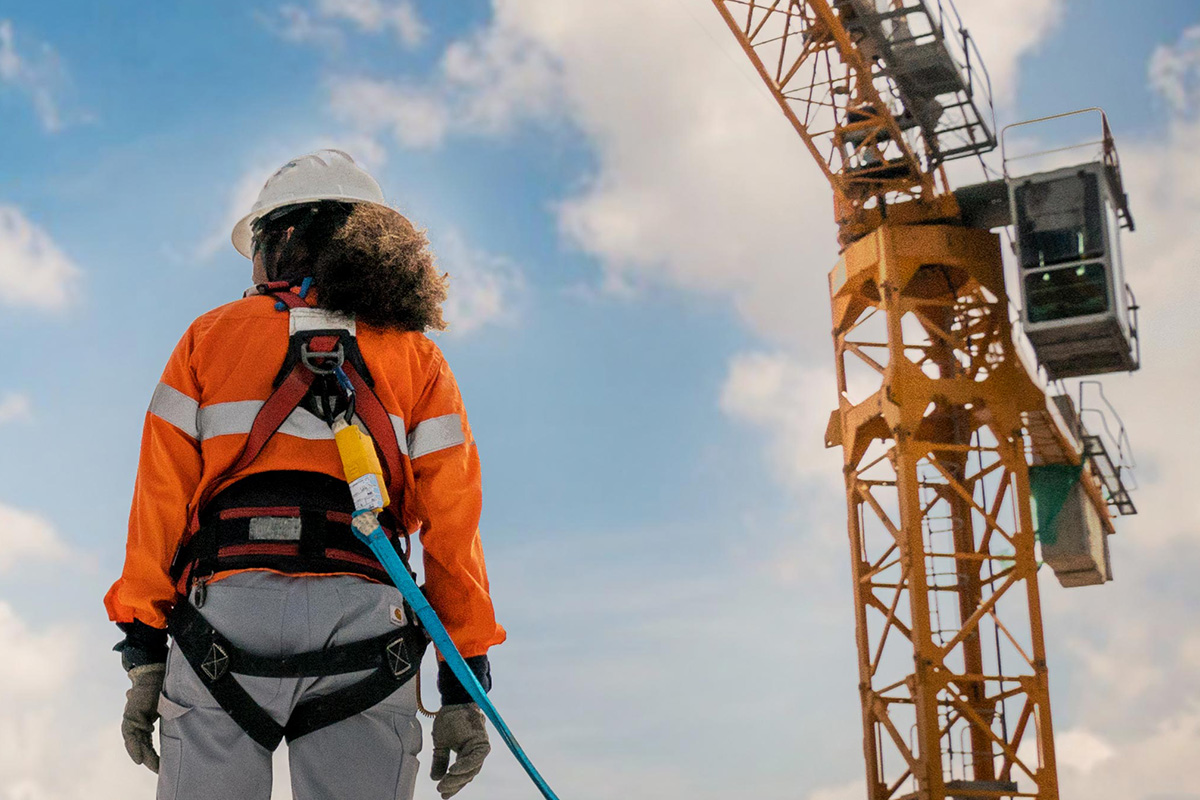
Fall Protection and Personal Fall Arrest Systems

Learn the proper use of personal fall arrest systems in order to safely perform work in elevated areas.

Ladder Safety
Review portable and fixed ladders most commonly used in industry today. Know how to properly select, inspect, and use various ladders.
Occupational Ergonomics
Understand ergonomic risk factors, the types of illnesses and injuries that can occur, how to identify the risk factors present in your workplace.