
Fall Protection: Inspection and Maintenance – Toolbox Talk
June 19, 2023
All fall protection components must be visually inspected by the wearer before initial use during each work shift for mildew, wear, damage, and other deterioration. This inspection is to ensure that the equipment is in proper working condition and to remove any part of the system that does not pass the inspection due to damage or defect. Fall protection components must also be inspected at intervals of no more than one year by a Competent Person. Any equipment that fails inspection should be removed from service and disposed of so that it cannot be used again.
A visual indicator is a device that shows when a fall arrest component has been subjected to a load that would require its removal from service. Some fall arrest systems may have more than one visual indicator built into the system. The observance of one indicator is enough to warrant the removal from service.
Harnesses and lanyards should be examined for excess wear, mildew, cuts, or other damage that might make them unusable. To do so, look closely at the webbing material, D-rings, buckles, grommets, and back pads. The webbing can be visually inspected by grasping it with your hands approximately six inches apart and making an upward U shape. This stretches and bends the webbing to easily expose damaged fibers from cuts, burns, or chemical deterioration. In particular, heat damage, which makes the fibers brown and brittle and chemical damage, which may change the color and reduce the webbing’s elasticity, should be identified. The D-rings should be inspected for distortion, cracks, and rough or sharp edges. Pay special attention to the attachments on the D-rings. The buckles and grommets should be inspected to ensure they move freely and are not distorted or broken.
Permanent anchorage points, lifelines, and other components of the fall protection system must be inspected regularly for deformations, cracks, corrosion, and wear on the anchorage points and D-rings.
Lifeline attachment points should also be inspected carefully for similar defective parts or conditions. Look for unusual slack in a horizontal lifeline and ensure that the cable is in proper working condition. Any time a PFAS or any of its components has been subject to a fall, it must be removed from service immediately. It must not be used again unless inspected by a Competent Person who determines that it is undamaged and safe for use. If there is any question regarding its integrity, it should be disposed of immediately.
INTERESTED IN LEARNING MORE?
Get more information about the Fall Protection and Personal Fall Arrest Systems course.
Featured Toolbox Talks
eSafety Toolbox Talks highlight important information from our courses to keep knowledge fresh in 5 minutes or less. Use these in your morning safety meetings, ongoing training, and more! Schedule, view, and track toolbox talks alongside your other training content to foster employee retention and promote a positive safety culture.



Popular Courses
Engaging Content. Lasting Results.
Our goal is to develop general awareness courses that create an interesting and interactive learning experience. Each course uses images, video, text and audio for full comprehension. All of our courses are designed by professionals with the ultimate goal of helping employees develop the knowledge they need to work safely.
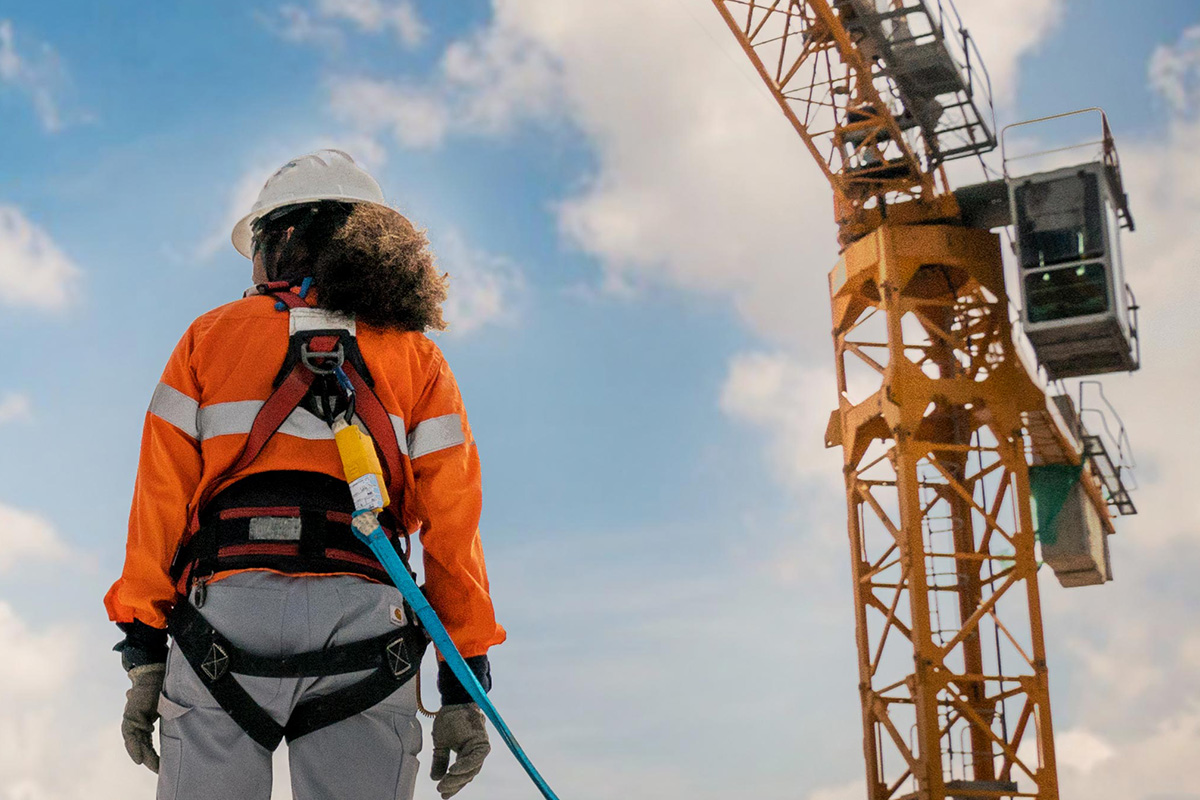
Fall Protection and Personal Fall Arrest Systems

Learn the proper use of personal fall arrest systems in order to safely perform work in elevated areas.
Ladder Safety
Review portable and fixed ladders most commonly used in industry today. Know how to properly select, inspect, and use various ladders.
Occupational Ergonomics
Understand ergonomic risk factors, the types of illnesses and injuries that can occur, how to identify the risk factors present in your workplace.