

Understanding Bloodborne Pathogens in the Workplace: 3 Key Basics
February 4, 2021
Bloodborne pathogen awareness is an important safety topic for any workplace where employees could potentially encounter any bloodborne pathogen. The first step to planning proper safety procedures is ensuring you and your employees understand what bloodborne pathogens are, some of the most common types of bloodborne pathogens, and how bloodborne pathogens are transmitted. With that information in hand, you’ll be able to better assess the level of training and preparation your team needs to stay safe at work. Let’s start with a definition of bloodborne pathogens:
What Are Bloodborne Pathogens?
Bloodborne pathogens are disease-causing microorganisms that are present in human blood and other potentially infectious materials like human body fluids. Workers who have occupational exposure — meaning there is a likelihood that they may encounter or be exposed to bloodborne pathogens in the workplace — are at risk for the diseases caused by bloodborne pathogens.
What Are The Types of Bloodborne Pathogens?
There are many different types of bloodborne pathogens, but the three most common bloodborne pathogens referenced when discussing occupational exposure are:
- Hepatitis B (HBV) — A serious liver infection caused by the hepatitis B virus.
- Hepatitis C (HCV) — A viral infection that causes liver inflammation, and can lead to serious liver damage.
- HIV (Human Immunodeficiency Virus) — A virus that attacks the body’s immune system, and that, if untreated, can lead to AIDS (acquired immunodeficiency syndrome).
Three Main Routes of Bloodborne Pathogen Transmission in the Workplace
There are a few different ways that bloodborne pathogens can be transmitted. In the workplace, the most common cause of transmission is when an infected person’s blood enters another person’s bloodstream through an open wound. That said, to have a comprehensive understanding of bloodborne pathogens, it’s important to understand the three main routes of bloodborne pathogen transmission:
- Unprotected openings in the skin. Bloodborne pathogens can be transmitted through cuts, scrapes, or any other open wounds. As mentioned above, this is the most common cause of transmission in the workplace.
- Mucous membranes. Mucous membranes in the body, like those found in the eyes, nose, and mouth, are also potential routes of bloodborne pathogen transmission.
- Penetration of skin. The third main route of transmission is through skin penetration, which is a common hazard in many healthcare settings. Sharp objects like needles, razors, or even broken glass can transmit bloodborne pathogens.
Identifying the Right Bloodborne Pathogen Awareness Training for your Workplace
Understanding what bloodborne pathogens are and how they are transmitted will help you to identify and implement the right bloodborne pathogen training for your workplace. Every workplace has different training requirements, based on the level of exposure.
For example, while a small sales office may find a general awareness course sufficiently covers the level of training needed, a healthcare facility will require a more extensive bloodborne pathogen training to be implemented. The greater the opportunity for occupational exposure to bloodborne pathogens, the more in-depth training and implementation of an exposure control plan will be required.
You can assess what training your workplace needs by reviewing the OSHA guidelines for your industry. From there, you can develop a workplace safety training plan that best educates and protects your employees.
For more general information about bloodborne pathogens and training standards, see OSHA’s Bloodborne Pathogens Standard factsheet. And if you’re looking for a general bloodborne pathogen awareness course for your workplace eSafety’s Bloodborne Pathogen Awareness course may be right for you. Learn more about our LMS online, or request a quote today!
Solutions
What Solutions Do We Offer?
The eSafety platform delivers scalable safety training solutions for organizations of any size. Built by experts in safety and regulatory compliance, our powerful Learning Management System (LMS), comprehensive training content library, and Contractor Management System (CMS) tools make it easy to meet compliance requirements. With intuitive features designed for efficiency, eSafety helps keep everyone informed, compliant, and safe.
TRAINING
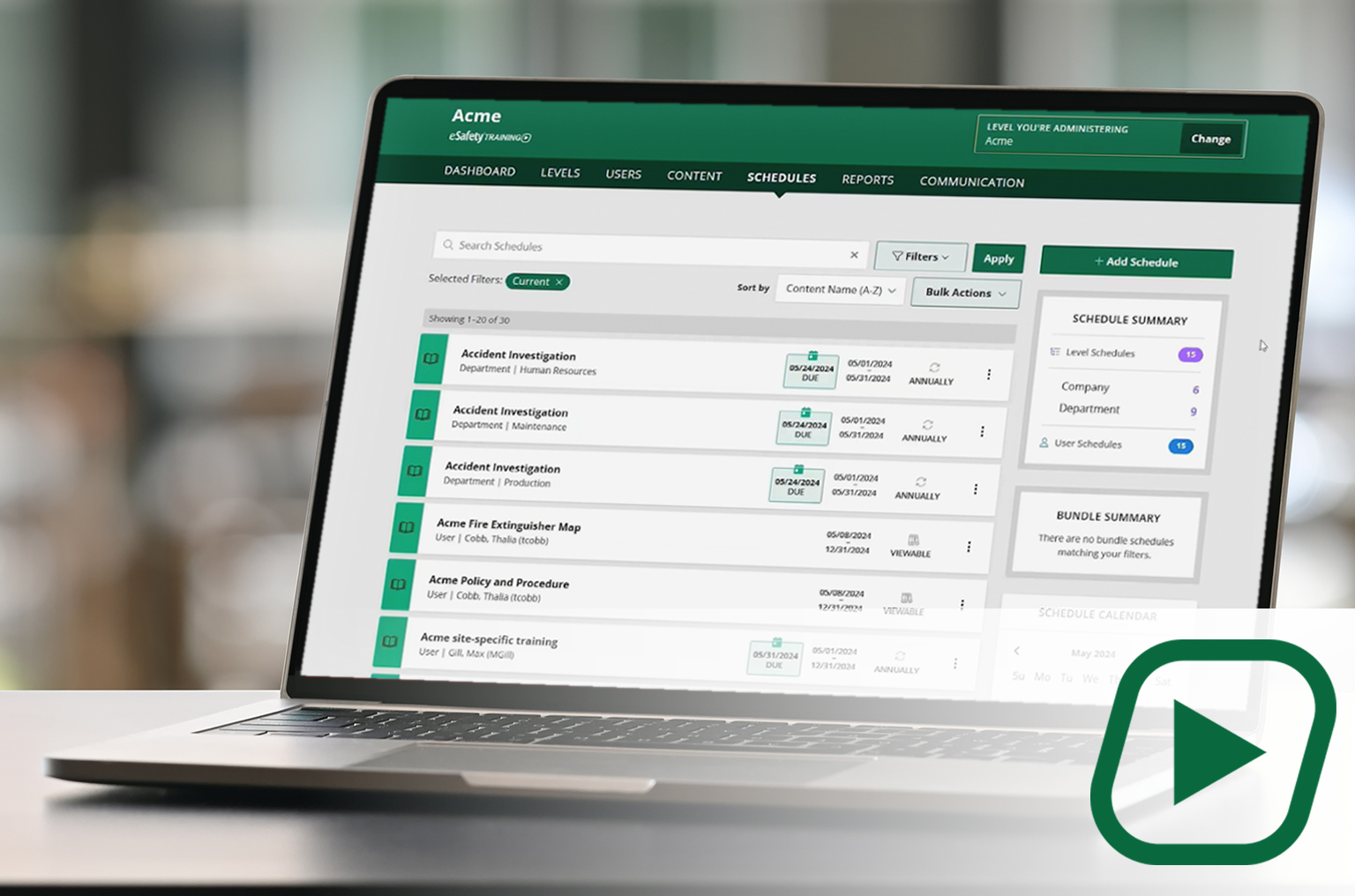
Our cornerstone learning management system (LMS) delivers a full library of compliant training content with intuitive features and capabilities to assign, track, and report on employee training.
✓Full content library
✓Schedule and manage training
✓Generate reports
CONTENT

A portal to select and download our content (courses) to be added to another LMS. A client gets a SCORM file to upload into the LMS they use. With an active key, course updates are automatic.
✓Select your course package
✓Download ready-made courses
✓ Receive automatic updates
CONTRACTOR
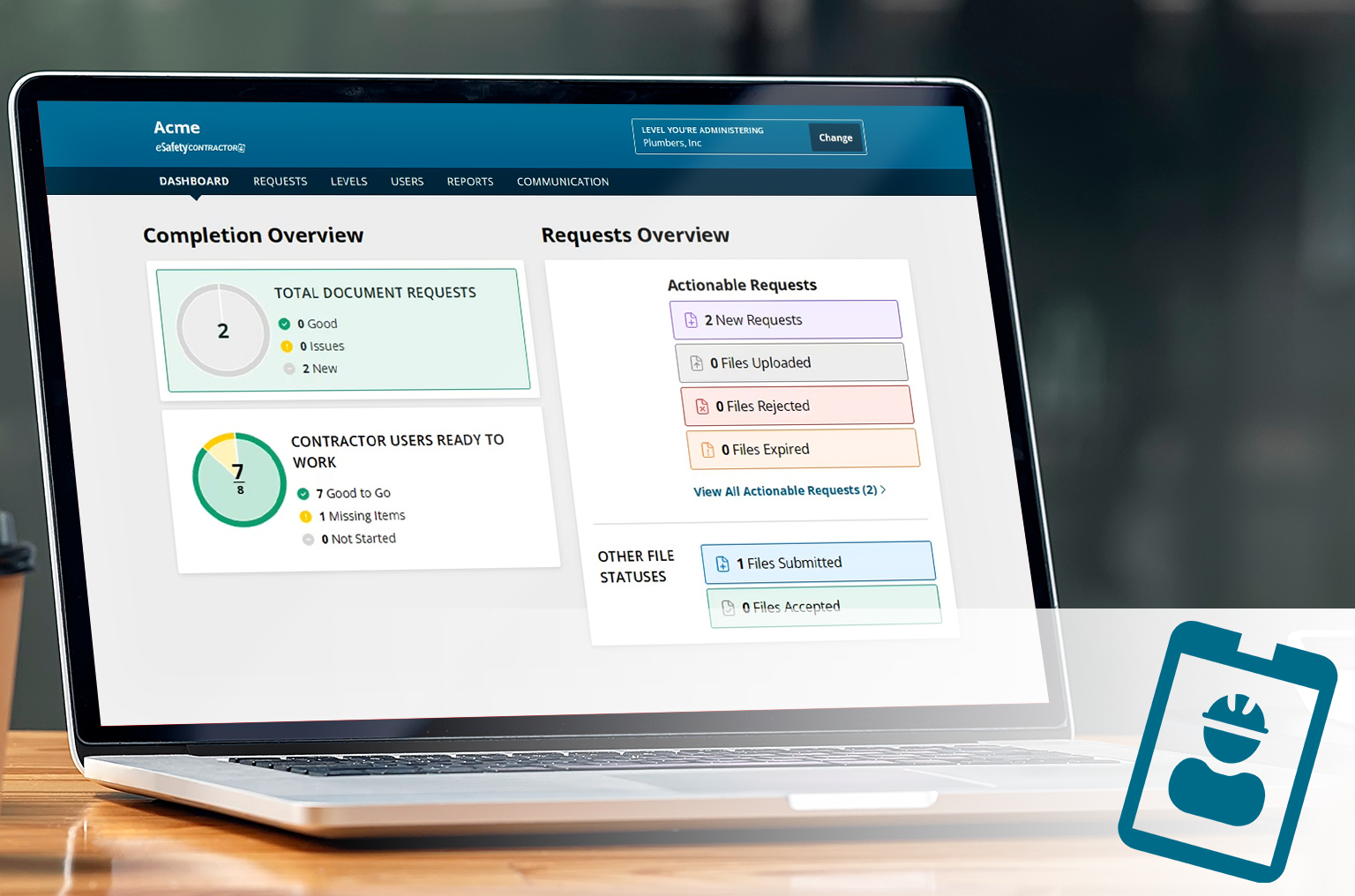
A CMS built to include LMS features to manage 3rd-party contractors coming to your site. Streamline the process of collecting and approving documents, conducting site-specific training, and more.
✓ Manage document requests
✓Assign site-specific training
✓Confirm approval to be on site
Popular Courses
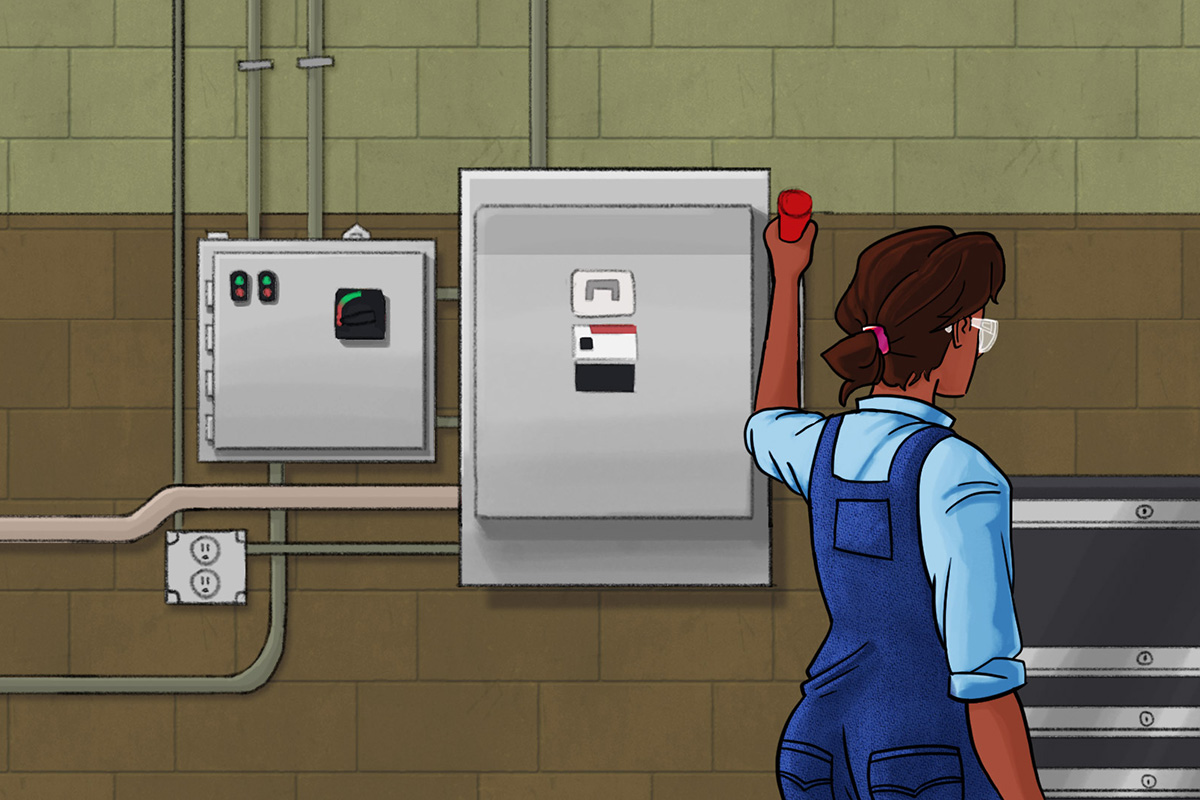
Electrical Safety


Back Safety

Walking-Working Surfaces
Featured Articles